

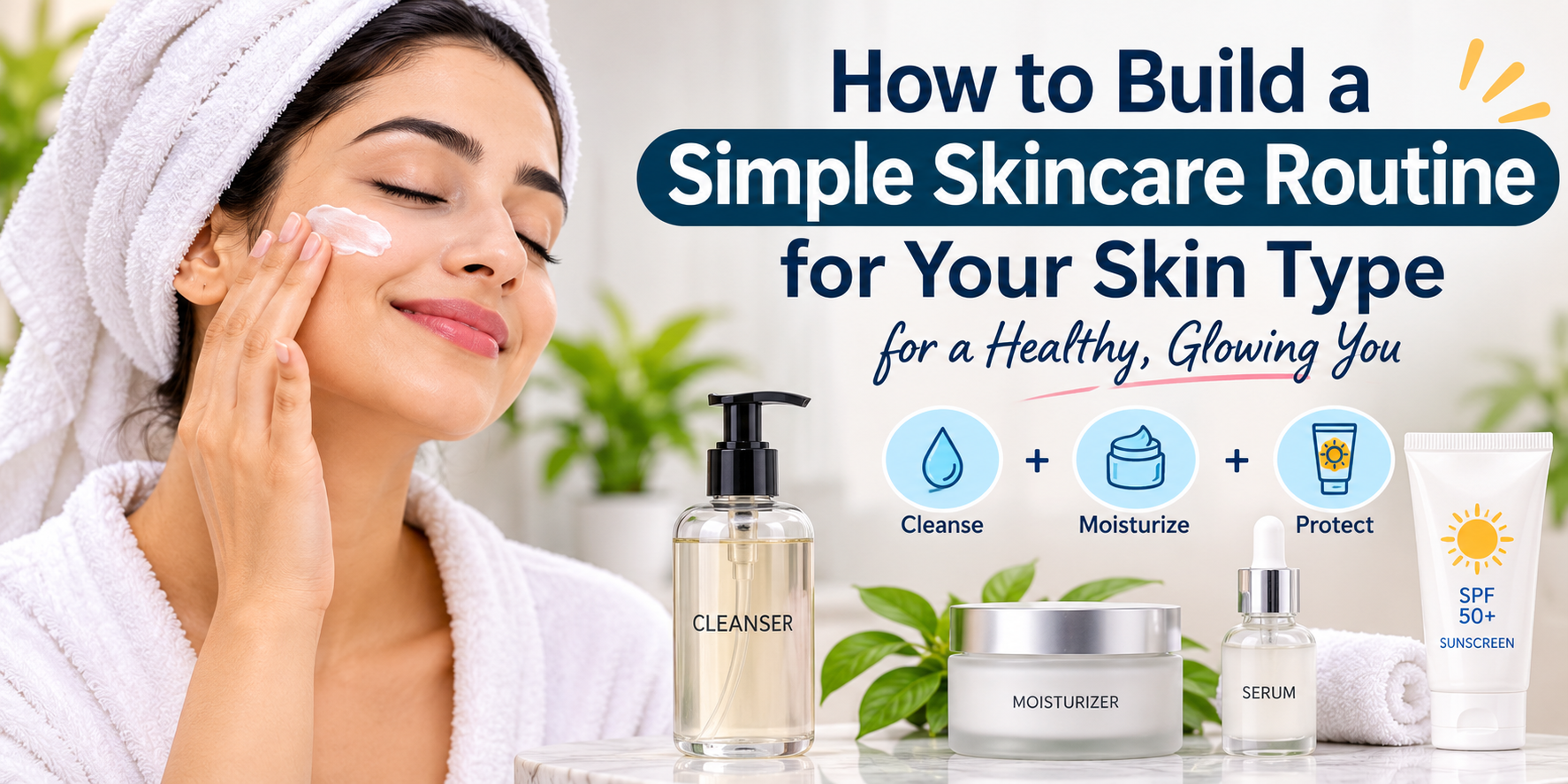
Healthy-looking skin does not require an expensive collection of beauty products or a complicated 10-step routine. The secret to good skincare is understanding what your skin needs and choosing products that support it. Whether your skin is oily, dry, combination, normal, or sensitive, a simple and consistent routine can help maintain hydration, improve skin texture, and protect your skin from everyday environmental damage.
With so many cleansers, serums, moisturizers, and sunscreens available, choosing the right products can feel overwhelming. However, you do not need to follow every skincare trend to build an effective routine. Starting with a few essential products and adjusting them according to your skin type is often the best approach.
In this guide, we will explain how to identify your skin type, build a basic morning and evening routine, and choose suitable products for your skin’s individual needs.
1. Understand Your Skin Type First
Before purchasing skincare products, it is important to understand your skin type. Different skin types have different needs, so a product that works well for one person may not suit another.
Here are five common skin types:
Normal Skin
Normal skin generally has a balanced level of oil and moisture. It usually feels comfortable and does not have excessive dryness or oiliness.
Common characteristics:
- Balanced oil production.
- Few noticeable dry or oily areas.
- Generally smooth texture.
- Less frequent irritation.
What your skin needs: A gentle cleanser, lightweight moisturizer, and daily sunscreen are usually enough to maintain its natural balance.
Oily Skin
Oily skin produces more sebum, which can make the face look shiny throughout the day. It may also be more prone to clogged pores, blackheads, and acne.
Common characteristics:
- Shiny appearance, especially around the forehead and nose.
- Enlarged or noticeable pores.
- Frequent breakouts.
- Makeup may not stay in place for long.
What your skin needs: Choose a gentle gel or foaming cleanser, a lightweight moisturizer, and non-comedogenic sunscreen. Look for products labelled oil-free or designed not to clog pores.
Dry Skin
Dry skin does not retain enough moisture, which can leave it feeling tight, rough, or uncomfortable. Weather changes, hot showers, and harsh skincare products can make dryness worse.
Common characteristics:
- Flaky or rough patches.
- Tightness after washing.
- Dull-looking skin.
- Occasional itching or irritation.
What your skin needs: Use a gentle, hydrating cleanser and a richer cream-based moisturizer. Ingredients such as glycerin, hyaluronic acid, and ceramides can help support skin hydration.
Combination Skin
Combination skin has both oily and dry areas. The forehead, nose, and chin, commonly called the T-zone, may produce more oil, while the cheeks may feel normal or dry.
Common characteristics:
- An oily forehead, nose, and chin.
- Dry or normal cheeks.
- Occasional breakouts in oily areas.
- Different areas of the face have different needs.
What your skin needs: Choose a gentle cleanser and a lightweight moisturizer. You can apply a richer moisturizer to dry areas when necessary.
Sensitive Skin
Sensitive skin can react easily to certain ingredients, fragrances, weather conditions, or skincare products. It may feel uncomfortable even after using products designed for everyday skincare.
Common characteristics:
- Redness or irritation.
- Burning or stinging sensations.
- Itching or dryness.
- Reactions to fragranced products.
What your skin needs: Choose fragrance-free, gentle products with simple ingredient lists. Avoid introducing several new products at once.
2. Build a Simple Morning Skincare Routine
Your morning skincare routine should focus on cleansing, hydration, and sun protection. You do not need many products to prepare your skin for the day.
Step 1: Cleanse Your Face
Start your morning with a gentle facial cleanser that removes excess oil, sweat, and impurities without making your skin feel tight.
Choose a cleanser according to your skin type:
- Oily skin: Gentle gel or foaming cleanser.
- Dry skin: Hydrating or cream-based cleanser.
- Combination skin: Mild gel cleanser.
- Sensitive skin: Fragrance-free, gentle cleanser.
- Normal skin: Mild everyday cleanser.
Wash with lukewarm water and avoid scrubbing your face aggressively.
Step 2: Apply a Serum (Optional)
A serum is an optional addition to your skincare routine. It can help address specific concerns, such as dullness, uneven skin tone, or dehydration.
Some commonly used ingredients include:
- Vitamin C: Often used to improve the appearance of uneven skin tone and provide antioxidant support.
- Hyaluronic acid: Helps attract and retain moisture.
- Niacinamide: Can help support the skin barrier and improve the appearance of uneven texture.
- Azelaic acid: May help with certain types of acne and uneven pigmentation.
You do not need to use all these ingredients. Choose one that suits your main skincare concern and introduce it gradually.
Step 3: Apply Moisturizer
Moisturizer is important for every skin type, including oily skin. It helps reduce moisture loss and supports the skin’s protective barrier.
Choose the right texture for your skin:
- Oily skin: Lightweight gel or lotion.
- Dry skin: Rich cream-based moisturizer.
- Combination skin: Lightweight lotion, with extra moisturizer on dry areas.
- Sensitive skin: Gentle, fragrance-free moisturizer.
- Normal skin: Lightweight lotion or cream.
Applying moisturizer while your skin is slightly damp can help lock in hydration.
Step 4: Finish with Sunscreen
Sunscreen is one of the most important steps in a morning skincare routine. It helps protect your skin from harmful ultraviolet (UV) radiation and reduces the risk of sun damage.
Choose a broad-spectrum sunscreen with SPF 30 or higher. Apply it to your face, neck, ears, and other exposed areas.
Remember to:
- Apply sunscreen as the final step of your morning skincare routine.
- Use enough product to cover exposed skin.
- Reapply approximately every two hours when outdoors.
- Reapply after swimming or sweating, following the product instructions.
Even if your moisturizer or makeup contains SPF, make sure you are applying enough sun protection.
3. Follow a Simple Nighttime Skincare Routine
Your nighttime routine should focus on removing the day’s buildup and keeping your skin hydrated.
Step 1: Remove Makeup and Sunscreen
If you wear makeup or water-resistant sunscreen, use a suitable makeup remover or cleansing balm before washing your face.
This helps remove makeup, sunscreen, and accumulated impurities. Follow with a gentle facial cleanser if needed.
Step 2: Cleanse Your Face
Wash your face with a cleanser suited to your skin type. Avoid using harsh soaps or hot water, as they may strip away natural oils and leave your skin feeling dry.
A gentle cleanse is usually enough to prepare your skin for the next steps.
Step 3: Apply a Targeted Treatment (Optional)
If you have a particular concern, such as acne, uneven skin tone, or rough texture, you may consider adding a targeted treatment.
However, avoid using multiple active ingredients at the same time when you are starting out. Introduce one product gradually and follow its instructions.
If you have persistent acne, irritation, or another skin condition, seek advice from a qualified dermatologist before experimenting with stronger treatments.
Step 4: Moisturize Before Bed
Finish your nighttime routine with a moisturizer. Nighttime hydration helps support the skin barrier and reduce moisture loss while you sleep.
People with dry skin may prefer a richer cream, while those with oily skin may feel more comfortable using a lightweight gel moisturizer.
4. Choose Skincare Products According to Your Skin Type
Understanding product labels and ingredients can make shopping for skincare products easier.
| Skin Type | Cleanser | Moisturizer | Helpful Product Features |
| Normal | Gentle cleanser | Lightweight lotion | Simple daily hydration |
| Oily | Gel or foaming cleanser | Oil-free gel moisturizer | Non-comedogenic formulas |
| Dry | Cream or hydrating cleanser | Rich moisturizer | Ceramides and glycerin |
| Combination | Mild gel cleanser | Lightweight lotion | Adjustable hydration |
| Sensitive | Fragrance-free cleanser | Gentle moisturizer | Minimal, fragrance-free formulas |
You do not need to buy products from expensive luxury brands. Affordable products can work well when they suit your skin and are used consistently.
5. Common Skincare Mistakes to Avoid
Even a good skincare routine may become less effective if you use products incorrectly or overcomplicate your routine.
Here are some common mistakes to avoid:
Using Too Many Products
Adding several serums, exfoliants, and treatments at once can irritate your skin. Start with the basics and introduce additional products only when necessary.
Skipping Moisturizer Because of Oily Skin
Oily skin still needs hydration. Instead of skipping moisturizer, choose a lightweight, non-comedogenic formula.
Not Wearing Sunscreen Daily
Sun exposure can contribute to premature skin ageing, dark spots, and other forms of skin damage. Make sunscreen a regular part of your morning routine.
Over-Exfoliating Your Skin
Exfoliating too frequently can damage the skin barrier and cause dryness or irritation. If you choose to exfoliate, start slowly and follow the product instructions.
Frequently Changing Skincare Products
Trying new products every few days makes it difficult to understand what works for your skin. Give your routine time and pay attention to how your skin responds.
Ignoring Product Ingredients
Always check product labels, especially if you have sensitive or acne-prone skin. Look for fragrance-free options if fragrances tend to irritate your skin.
6. How to Introduce New Skincare Products Safely
When trying a new skincare product, avoid adding several products to your routine at once.
Follow these simple steps:
- Read the product label and instructions carefully.
- Perform a patch test according to the product guidance.
- Introduce one new product at a time.
- Start with the recommended frequency, or less often if the product instructions allow.
- Stop using the product if you experience persistent irritation or an unexpected reaction.
Some skincare ingredients take several weeks to show visible results. Consistency is more useful than constantly switching products.
7. Does Your Skincare Routine Need to Change with the Seasons?
Yes. Your skin’s needs can change depending on weather, humidity, indoor heating, and sun exposure.
During summer:
- Choose lightweight moisturizers if heavier creams feel uncomfortable.
- Use broad-spectrum sunscreen daily.
- Reapply sunscreen when spending time outdoors.
- Cleanse after sweating.
During winter:
- Consider using a cream-based moisturizer if your skin feels dry.
- Avoid very hot showers and harsh cleansers.
- Apply moisturizer while your skin is still slightly damp.
- Continue using sunscreen during daylight hours.
You do not need an entirely different skincare collection for every season. Small adjustments are often enough.
8. How Long Does It Take to See Skincare Results?
Skincare results depend on the product, ingredient, skin type, and concern being addressed.
A moisturizer may make dry skin feel more comfortable relatively quickly, while improvements in acne, uneven skin tone, or texture can take several weeks or longer.
Instead of expecting overnight results, focus on maintaining a routine that feels comfortable and suits your skin.
If a product causes burning, swelling, persistent redness, or worsening irritation, stop using it. Consult a dermatologist if symptoms continue or are severe.
Frequently Asked Questions (FAQs)
1. What is the simplest skincare routine for beginners?
A beginner-friendly routine includes three essential steps: cleansing, moisturizing, and applying sunscreen in the morning. At night, cleanse your face and apply moisturizer. Additional treatments are optional.
2. Should I follow a skincare routine if I have oily skin?
Yes. Oily skin also needs cleansing, hydration, and sun protection. Choose lightweight, oil-free, and non-comedogenic products that suit your skin.
3. Is moisturizer necessary for every skin type?
Yes. Moisturizer helps maintain hydration and support the skin barrier. The best formula depends on your skin type and how dry or oily your skin feels.
4. Can I use the same skincare products in the morning and at night?
You can use the same gentle cleanser and moisturizer in both routines. However, sunscreen is essential during the day, while targeted treatments may be more suitable for nighttime use depending on their instructions.
5. How many skincare products should a beginner use?
You can start with three basic products: a gentle cleanser, moisturizer, and sunscreen. Add a serum or treatment only when you have a specific concern to address.
6. Is expensive skincare better than affordable skincare?
Not necessarily. A product’s suitability, ingredients, and consistency of use matter more than its price. Many affordable skincare products can provide effective basic care.
7. How can I identify my skin type at home?
Wash your face with a gentle cleanser, pat it dry, and observe how it feels after some time without applying other products. Excessive shine may indicate oily skin, tightness or flaking may suggest dry skin, and a combination of oily and dry areas may indicate combination skin. This is only a basic guide, not a medical diagnosis.
Final Thoughts
Building a skincare routine does not have to be complicated. The most important thing is to understand your skin type, choose suitable products, and follow a consistent routine.
Start with the essentials: a gentle cleanser, a suitable moisturizer, and broad-spectrum sunscreen. Once your skin is comfortable with these basics, you can consider adding targeted treatments for specific concerns.
Remember, healthy skincare is not about having the most products or following every beauty trend. It is about finding a routine that works for your skin and maintaining it over time.
